The Oyo State Government has reaffirmed its commitment to protecting residents from falling victim to modern slavery and illegal migration.
Speaking after the inaugural meeting of the Oyo State Reintegration Committee in Ibadan on Friday, Mr. Segun Adegoke, Special Adviser to Governor Seyi Makinde on Migration, Homeland, and Security, emphasized the administration’s zero tolerance for all forms of illegal migration.
Adegoke said the state government established the committee to address issues related to reintegration, prevention, advocacy, and public awareness — especially concerning the dangers of irregular migration through desert routes.
“We don’t want our citizens to suffer another form of slavery. We are encouraging our youths not to ‘japa’ through illegal means like desert crossings,” he said.
He explained that the committee was inaugurated by the South-West Coordinator of the National Commission for Refugees, Migrants and Internally Displaced Persons (NCFRMI), in line with Section 7 of the NCFRMI Act of 2021 and the National Migration Policy of 2015.
“The committee is part of Nigeria’s national migration framework and is responsible for the reintegration of returnees, and the welfare of migrants, refugees, and internally displaced persons in Oyo State,” Adegoke noted.
He commended Governor Makinde for being the first in the country to establish an Office of Migration and Homeland Security and for backing its initiatives with tangible resources.
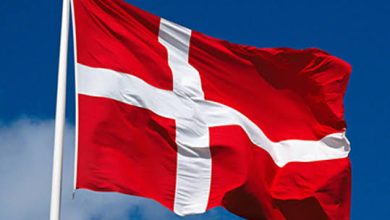
According to Adegoke, the state has allocated 10,000 hectares of land in Iganna, Itesiwaju Local Government Area, for a Youth Empowerment and Reintegration Project. The initiative is supported by the National Centre for Migration Policy, a European Union organisation, and funded by the Danish Government.
“This project will provide employment for young people, especially returnees, and 18 per cent of the beneficiaries will be drawn from the Itesiwaju/Iwajowa area,” he added.
Adegoke assured that the beneficiaries would be trained in mechanized agriculture, financially supported, and linked with ready markets for their produce.
“The project will not only create sustainable jobs but also reduce illegal migration by providing meaningful opportunities for the youth,” he said.