2027 candidates promise cheaper fuel and more jobs but leave the costings unclear


Nigeria’s leading presidential contenders have begun setting out answers to the country’s economic and security problems. One question their promises have not yet fully answered is how much the programmes would cost and who would pay.
The offers range from cheaper fuel and millions of jobs to free education, more electricity, stronger healthcare and safer communities. Across the speeches and documents released so far, detailed costings, funding sources, timelines and measurable targets remain thin. The candidates offer different diagnoses of the same crisis.
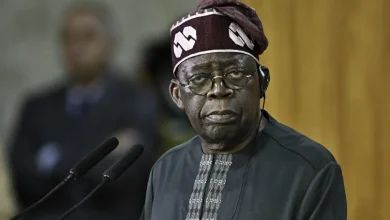
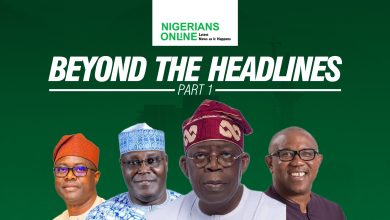
President Bola Tinubu of the All Progressives Congress (APC) presents the election as a test of continuity and consolidation of reforms begun in 2023, including subsidy removal and exchange-rate changes, and points to infrastructure, power-sector redesign, the Nigeria Education Loan Fund and support for state police. Atiku Abubakar of the African Democratic Congress (ADC) argues that some of those reforms, especially fuel subsidy removal, should be reversed and speaks of early security recruitment and equipment.
Peter Obi of the Nigeria Democratic Congress (NDC) frames the choice around whether households are better off and puts production, regional contribution and measurable public investment at the centre. Adewole Adebayo of the Social Democratic Party (SDP) makes full employment the engine, with large job and power targets. Omoyele Sowore of the African Action Congress (AAC) treats free education and technology as the foundation of long-term change.
Beneath those differences sits a shared list: insecurity, electricity, jobs, education, healthcare and more production. The contest is therefore less about who can name the problems than about who can show how a promise becomes a result. Substantial intervention is being offered alongside talk of fiscal discipline and less waste. Those aims can coexist only if the arithmetic is public: cost, revenue, borrowing, the agency responsible, the law that must change, what happens in 100 days and in four years, and who answers if the result does not arrive.
That test applies to continuity as much as to reversal, to production agendas as much as to education blueprints. For households, cheaper fuel matters if it eases the weekly budget; jobs matter if there is a path from training to work; electricity matters if a business can plan a day without a generator. The manifesto still missing is the one that states, in numbers and dates, how much, from where, by when, and who is accountable.