The United States and Iran have reached a critical two-week ceasefire agreement, effectively stepping back from the brink of a massive regional escalation. The deal, brokered through the mediation of Pakistan, was announced by President Donald Trump and confirmed by Iranian officials early on Wednesday, April 8, 2026.
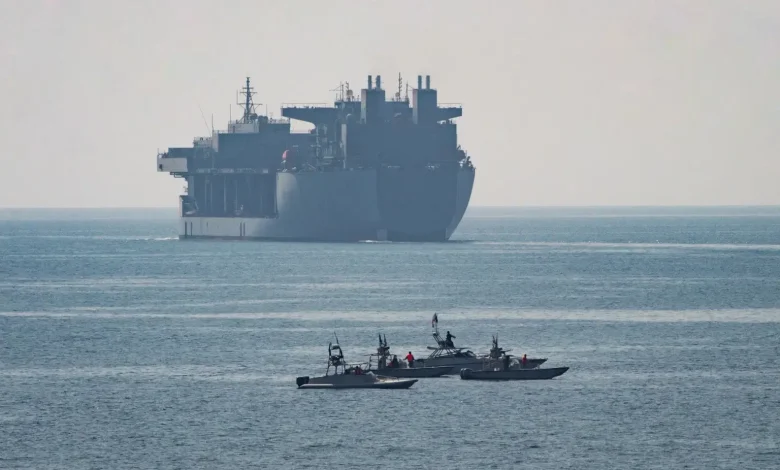
The agreement comes just hours before a deadline set by the Trump administration, which had threatened devastating strikes on Iran’s infrastructure. As part of the truce, Tehran has agreed to a conditional reopening of the Strait of Hormuz, a vital waterway that has been largely paralyzed by conflict since late February.
Reopening the Strait of Hormuz and transit fees
A central condition of the ceasefire is the restoration of safe passage through the Strait of Hormuz. Iranian Foreign Minister Abbas Araghchi confirmed that maritime traffic would be permitted for the duration of the two weeks under the coordination of Iran’s armed forces.
The deal reportedly includes a unique arrangement for the waterway:
-
Transit Fees: Iran and Oman will be permitted to charge transiting ships fees (estimated at $2 million per vessel).
-
Reconstruction: According to regional officials, Iran plans to use these funds specifically for the reconstruction of infrastructure damaged during recent hostilities.
-
Coordination: The U.S. has pledged to assist with the “traffic buildup” that has accumulated during the blockade.
The 10-point proposal and Islamabad talks
President Trump described a 10-point proposal received from Iran as a “workable basis” for long-term peace. While various versions of the plan have circulated, the core demands from the Iranian side include:
-
The lifting of primary and secondary sanctions.
-
Recognition of nuclear enrichment rights.
-
The withdrawal of U.S. combat forces from the region.
-
Payment of damages for war losses.
Pakistani Prime Minister Shehbaz Sharif has invited delegations from both nations to Islamabad this Friday, April 10, to begin formal negotiations for a “conclusive agreement to settle all disputes.”
Regional impact and the “double sided” ceasefire
While Trump characterized the deal as a “double sided ceasefire” that includes U.S. allies, there remains some ambiguity regarding Lebanon. Prime Minister Sharif stated the truce applies “everywhere,” including the Lebanese front. However, Israeli Prime Minister Benjamin Netanyahu, while accepting the broader ceasefire, reportedly suggested it might not cover ongoing operations against Hezbollah.
Despite the breakthrough, tensions remain high. Oil prices have already begun to drop below $100 a barrel following the news, reflecting a cautious optimism in global markets. Leaders from Saudi Arabia, Egypt, and the United Nations have welcomed the pause, urging both sides to seize this opportunity for sustainable peace.