Kumamoto earthquake: Water shortages and displacement remain critical, relief efforts intensify

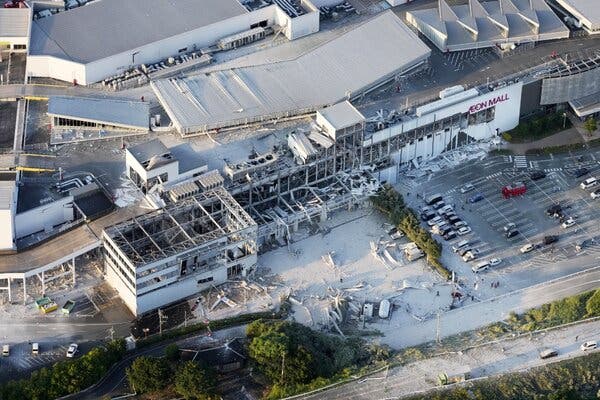
A powerful magnitude 6.8–7.1 earthquake that struck Kyushu on 28 July 2026 continues to challenge emergency responders in Kumamoto Prefecture, according to an emergency situation briefing on the disaster.
The quake, centred heavily in Kumamoto, caused widespread damage in municipalities including Hikawa, Kashima, Uto and Yatsushiro. Dozens of fatalities have been confirmed, with more than 80 injuries reported as search-and-rescue teams work through collapsed buildings. Notable structural failures include the partial collapse of the Aeon Mall in Kashima and industrial damage in Yatsushiro.
Tens of thousands of households remain without electricity or municipal running water. Public transportation, gas supplies and power grids are still disrupted in many areas while damage assessments continue. Thousands of residents have been displaced into public evacuation shelters, temporary tents or personal vehicles because of ongoing aftershock risks.
Most pressing needs
As of the latest update, four priority areas stand out:
- Heat mitigation and cooling support High summer temperatures pose a serious heatstroke risk, particularly for elderly people sheltering in tents or cars. Emergency air-conditioned spaces, cooling stations and generators are urgently needed.
- Clean water and essential supplies Safe drinking water, pre-packaged non-perishable food (such as instant rice and canned bread) and basic hygiene kits remain immediate priorities.
- Medical care and health monitoring Field medical teams are screening evacuees for dehydration, heat stroke and “economy class syndrome” (deep vein thrombosis linked to prolonged confinement in vehicles).
- Infrastructure and utility restoration Rapid repair teams are working to restore the regional power grid, water systems and gas lines so that people can safely return to undamaged homes.
Recommended way to help
The briefing emphasises that direct financial contributions to verified disaster-response organisations are the most effective form of support during the emergency phase. Cash allows teams on the ground to purchase exactly what is needed locally and avoids logistical problems caused by unsolicited physical donations.
Verified organisations listed include:
- Japanese Red Cross Society (JRCS) / International Federation of Red Cross and Red Crescent Societies (IFRC)
- Peace Winds Japan
- Japan Platform (JPF)
- GlobalGiving and World Central Kitchen
These groups are handling emergency medical teams, relief supplies, temporary shelter management, feeding programmes and coordination among local NGOs.
Relief operations remain active as authorities and humanitarian organisations work to address both the immediate survival needs of displaced residents and the longer-term restoration of essential services across the affected parts of Kumamoto Prefecture.