Political parties race to name campaign directors as 2027 presidential race approaches


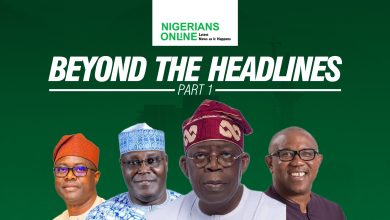
With barely two weeks left before the official start of presidential campaigns on 19 August, Nigeria’s major political parties have intensified consultations over the composition of their campaign organisations. Former governors have emerged as the leading contenders to head the structures of the principal candidates.
The Independent National Electoral Commission (INEC) timetable has shifted parties from internal negotiations into full campaign mode. The position of campaign Director-General is regarded as one of the most influential roles after the candidate and running mate, responsible for nationwide mobilisation, stakeholder management, fundraising, media coordination and message discipline across the six geopolitical zones.
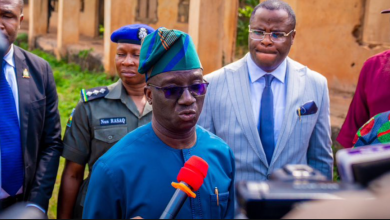
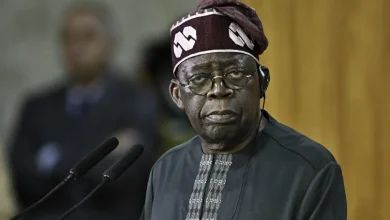
Investigations show that the ruling All Progressives Congress (APC) is weighing former Nasarawa State Governor Tanko Al-Makura and Imo State Governor Hope Uzodimma to lead President Bola Tinubu’s re-election campaign. Sources indicate Uzodimma currently enjoys stronger backing among influential stakeholders, partly because party leaders are mindful of religious balance after fielding a Muslim-Muslim ticket in 2023.
On the opposition side, the African Democratic Congress (ADC) has settled on former Sokoto State Governor and Senator Aminu Tambuwal as the leading choice to direct former Vice-President Atiku Abubakar’s campaign. Tambuwal previously served as Atiku’s Director-General in 2023 under the Peoples Democratic Party (PDP). He is expected to work closely with running mate Rotimi Amaechi.
The Labour Party (LP), New Nigeria Peoples Party (NNPP), Social Democratic Party (SDP) and Nigeria Democratic Congress (NDC) have also confirmed advanced consultations, with most promising announcements before the 19 August deadline. The LP intends to build its structure around the Nigeria Labour Congress (NLC) and Trade Union Congress (TUC), while smaller parties emphasise grassroots methods and cost discipline.
The pattern is consistent. Parties are reaching for experienced operators who can manage complex political arithmetic—regional balance, religious signalling, coalition integration and organisational reach. The appointments themselves will matter less than the coherence of the machines that follow. A well-chosen Director-General can impose discipline; a poorly integrated structure will expose the same weaknesses that have undermined previous campaigns.
Both the ruling party seeking continuity and the opposition seeking to unseat it share the same structural challenge: turning elite consultations into a functional national organisation capable of reaching voters in every state and the Federal Capital Territory. The names that emerge in the coming days will signal how seriously each party intends to meet that test.