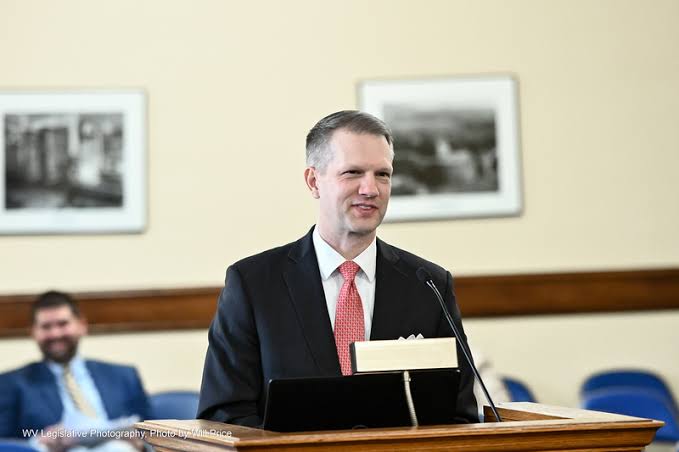
A member of the United States Congress, Rep. Riley Moore, has insisted that the United States must not remove Nigeria from its Country of Particular Concern (CPC) designation over alleged persecution of Christians, citing continued violence in the Middle Belt.
Moore responded on X to a statement by the US Assistant Secretary of State for African Affairs that called on the Nigerian government to protect Christian communities after an attack in Plateau State. “We absolutely cannot remove the CPC designation from Nigeria while radical Islamic terrorists continue this horrific violence against Christians,” he wrote. “The Nigerian government must meet its commitments to protect innocent Christian communities.”
The US Bureau of African Affairs had condemned the latest attack in Plateau, where more than 24 people were reportedly killed and many others left missing. Locals said attackers stormed villages at night and opened fire on residents in their homes. Community leaders described the assault as barbaric and appealed for stronger security deployment. The Bureau urged Abuja to protect Christian communities and hold perpetrators accountable.
Nigeria was designated a CPC in 2020 under the International Religious Freedom Act, removed in 2021, and returned to the list by the Trump administration. A joint working group has met twice to review progress. The designation is scheduled for annual review in November. The Nigerian government has repeatedly denied religious targeting, describing the conflicts largely as clashes over land, resources and criminality.
The Christian Elders and Professionals Consultative Council of Nigeria (CEPCCN) expressed support for US concerns over the safety of Christian communities while stressing that every Nigerian life is equally valuable. In a statement by National Chairman Bishop Alpha Ikpeama, the council condemned attacks against Christians, churches and clergy because of their faith, and equally insisted that Muslims, traditional practitioners and other vulnerable citizens must be protected. It called for thorough investigation, prosecution of perpetrators, stronger intelligence and early-warning systems, and constructive engagement with international partners rather than confrontation.
The exchange keeps the CPC status tied to specific incidents and to broader questions of state capacity to protect civilians regardless of identity. Whether the November review alters Nigeria’s designation will depend on how both governments and domestic actors frame progress on protection and accountability.