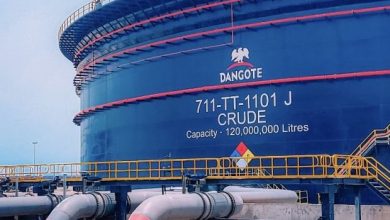
The Dangote Refinery has adjusted its ex-depot price for Premium Motor Spirit (PMS), popularly known as petrol, upward to ₦1,350 per litre. This marks a six per cent increase from the previous rate of ₦1,275 per litre, signaling further pressure on the Nigerian energy market.
Industry experts attribute this sudden adjustment to the sustained volatility in the global crude oil market. Specifically, the prolonged conflict between the United States and Iran has significantly disrupted oil production and international supply flows.
High feedstock costs force pricing template shift
Reliable sources within the domestic oil market confirmed the new pricing template, citing the rising cost of feedstock as the primary driver. As a private entity, the refinery must align its operations with international market realities to ensure continued production.
The increase means that all stakeholders, particularly oil marketers, must now adjust their procurement budgets to accommodate the new rate. This development arrives at a time when many Nigerians are already grappling with the high cost of living and transportation.
Consumers brace for higher pump prices nationwide
With the ex-depot price now at ₦1,350, oil marketers are expected to reflect this change at their filling stations in the coming days. Market analysts predict that retail pump prices will inevitably rise as distributors pass the additional costs down to the final consumers.
This ripple effect will likely impact various sectors of the economy, especially those heavily dependent on fuel for logistics and power generation. The timing of the hike adds a new layer of complexity to the government’s efforts to stabilize the domestic economy amid global uncertainties.
Regional expansion plans remain on the horizon
Despite these local pricing challenges, the management of the refinery continues to eye broader horizons. Recent reports suggest the company is considering building a refinery in East Africa, provided certain economic conditions are met.
For now, the focus remains on navigating the turbulent waters of the global oil trade while meeting domestic demand. Nigerians will be watching closely to see how this latest price hike affects the broader inflationary trends currently hitting the nation.