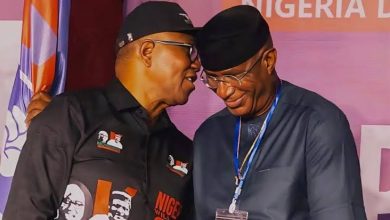
Presidential candidate of the Nigeria Democratic Congress (NDC), Peter Obi, has said Nigerians deserve leaders who will engage them, listen to their concerns and present clear solutions to the country’s challenges.
Speaking at his Onitsha residence at the start of his 2027 presidential campaign, Obi said he and running mate Dr Rabiu Kwankwaso would tackle insecurity, reduce poverty and hunger, address the number of out-of-school children and improve education and healthcare. He also pledged economic policies aimed at inclusive growth and better living conditions, particularly for vulnerable citizens.
Obi argued that the campaign period should force every presidential candidate to present credentials, defend records and submit policies to public scrutiny. “No candidate should hide behind the high walls of power, send proxies or surrogates to the hustings, and expect Nigerians to entrust them with the leadership of the country,” he said. True leadership, he added, requires presence and empathy with communities affected by banditry, criminality, terrorism and flooding. “You cannot truly lead people you are unwilling to visit, listen to, and understand.”
He and Kwankwaso, he said, would take the campaign directly to citizens rather than rely on intermediaries. Any candidate lacking the resolve to travel the country, meet people and answer questions, he argued, lacks the capacity to govern. His administration would focus on national unity, security, inclusive growth and a shift from consumption to production. He cited the World Bank’s April 2026 Nigeria Development Update as underscoring the need to turn reform into improved livelihoods and stronger human capital.
Obi urged issue-based campaigning free of violence, hatred and ethnic or religious sentiment, and stressed that democracy continues after election day through sustained demand for transparency and results. The 2027 election, he said, should be decided by capacity, competence, compassion, character and commitment rather than ethnicity, religion or propaganda.
The message frames the contest as a test of physical and intellectual engagement with the electorate. Whether that standard becomes a shared expectation across the field will depend on how other candidates choose to campaign and how voters respond to the contrast between presence and remote messaging.