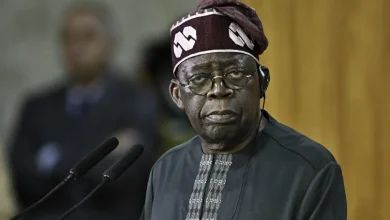
President Bola Tinubu on Sunday approved the immediate recruitment of 1,000 forest guards to combat the wave of criminal incursions in Oyo State. The commander-in-chief also ordered a specialized elite military unit to intensify tactical rescue operations aimed at freeing dozens of schoolchildren and teachers.
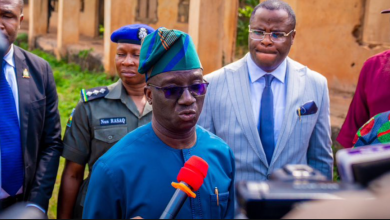
The decisive presidential directive emerged following the tragic abduction of several learners from three academic institutions in Oriire Local Government Area. A high-powered federal delegation conveyed the executive order on Sunday during a assessment visit to the traumatized Esiele and Yawota border communities.
Federal delegation promises safe return of school children
The high-level security team included the Chief of Staff, Femi Gbajabiamila, National Security Adviser Nuhu Ribadu, and the Inspector-General of Police, Tunji Disu. According to detailed updates from The PUNCH, the tactical operations will rely heavily on intelligence-driven maneuvers to prevent collateral damage.
“Mr President is deeply troubled by this incident. Whatever it takes, our children and teachers will be brought back home safely,” Gbajabiamila assured the community leaders. The authorities held private condolence sessions with Mrs Mary Oyedokun, the widow of a mathematics teacher who was brutally killed during the assault.
Teachers union declares indefinite strike over insecurity
The development coincides with a declaration of an indefinite strike by the Nigeria Union of Teachers across all public schools in the state. The academic body expressed profound outrage over the horrifying conditions of the captives, who have spent over two weeks in dense forests.
“The National Leadership has directed all Primary and Secondary School teachers in Oyo State to withdraw their services from Monday, 1st June, 2026, until the abducted teachers and students are safely released,” the union stated. The organization announced plans to stage nationwide solidarity rallies to demand maximum protection for learners.
Civil society groups urge United Nations intervention
The Socio-Economic Rights and Accountability Project has urged the United Nations to intervene swiftly by invoking critical charters regarding the escalating regional insecurity. Similarly, the leadership of the Nigerian Baptist Convention lamented the growing vulnerability of religious and educational institutions to armed networks.
Traditional rulers in the affected territories have consistently linked the recurring kidnappings to the expansive forest reserves that border neighboring states. The communities are demanding the immediate installation of a permanent military base and improved telecommunications infrastructure to aid emergency response.