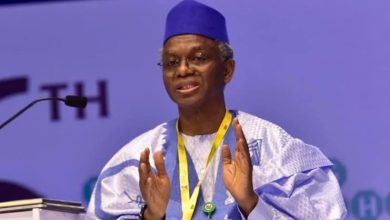
The Minister of Power, Adebayo Adelabu, is reportedly set to resign his position as he prepares to pursue his political ambitions for the 2027 general elections. This development comes amid growing concerns over his inability to meet the ambitious target of 6000 megawatts of electricity generation for the country. Despite several promises and high-level interventions, the Nigerian power sector continues to struggle with grid collapses and inconsistent supply in many urban and rural areas.
Adelabu, who has been under intense pressure from both the public and the Presidency, is said to be eyeing the governorship seat in his home state. Sources close to the Minister suggest that he wants to exit the cabinet early enough to avoid being bogged down by the complexities of the power sector during the campaign season. This move has sparked a debate on the culture of political appointees prioritizing their elective goals over their current administrative responsibilities.
The failed 6000MW electricity generation promise
When Adelabu took office, he vowed to stabilize the national grid and significantly increase the generation capacity to at least 6000MW within a short period. However, the reality on the ground has been quite different, with the grid frequently dropping below 3000MW during peak periods. The Minister has often blamed the lack of gas supply and the aging infrastructure for the persistent failures that have crippled many Nigerian businesses.
Critics argue that the resignation of the Minister at this critical time would be a major setback for the ongoing reforms in the power sector. They believe that leaving without achieving the core target set for the ministry is a sign of “mission unaccomplished.” The power sector remains the biggest bottleneck to Nigeria’s industrialization, and the frequent change in leadership has often led to a lack of continuity in policy execution.
Navigating the politics of the 2027 elections
In the Nigerian political space, the race for 2027 has already begun in earnest, and many ministers are looking for the exit door to start their consultations. Adelabu is a heavyweight in his region, and his supporters believe that he has a better chance of winning the governorship if he starts his movements now. The law requires public officials to resign before they can participate in party primaries, which are expected to happen later in the year.
The Presidency is reportedly considering a replacement who can bring fresh energy and technical expertise to the ministry before the end of the current term. There is an urgent need for a leader who can bridge the gap between the generating companies and the distribution companies to ensure that the power produced actually reaches the consumers. Adelabu’s departure will leave a significant void that the government must fill with a person of high competence.
Impact on the national grid and consumers
Nigerian electricity consumers have expressed their disappointment over the Minister’s planned exit, noting that the promised “light at the end of the tunnel” remains dim. Many parts of the country still rely heavily on expensive petrol and diesel generators to run their homes and factories. The failure to hit the 6000MW mark means that the dream of a 24-hour power supply remains an elusive goal for the average Nigerian family.
Business owners have also raised concerns that the transition period between ministers could lead to another round of stagnation in the sector. They want to see a clear roadmap that is independent of the individual in charge, ensuring that projects like the Siemens power deal continue without interruption. The volatility of the power sector requires a steady hand and a long-term commitment that transcends political cycles.
Re-evaluating the appointment of politicians to technical roles
The situation with Adelabu has reignited the conversation on whether highly technical ministries like Power should be headed by career politicians or technocrats. Some experts argue that a professional engineer or a seasoned energy administrator would have focused more on the technical solutions than on the political optics. They believe that the power sector is too sensitive to be used as a stepping stone for higher political office.
As the Minister prepares his handover notes, the questions surrounding the multi-billion naira investments in the sector remain unanswered. Nigerians are looking for accountability regarding the funds spent on repairing the national grid and the various power plants across the country. The legacy of the Adelabu era will likely be judged by the gap between the initial promises and the actual electricity available at the sockets.