Oshiomhole says Peter Obi’s 2023 surge driven by voter anger, not political strength

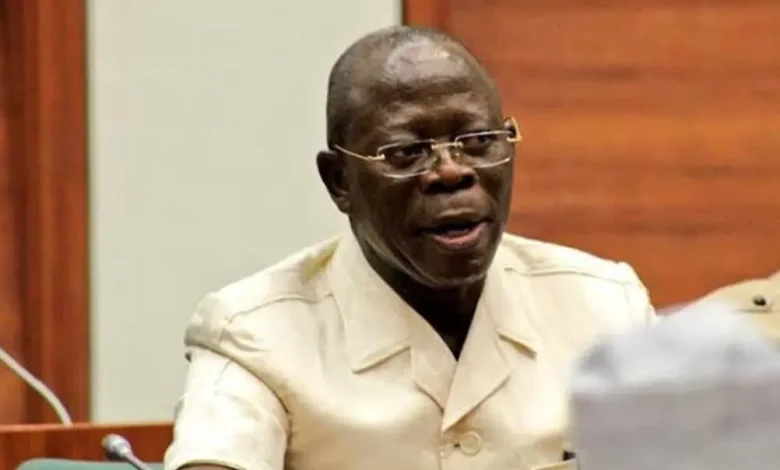
Senator Adams Oshiomhole has dismissed claims that Labour Party leader Peter Obi poses a major electoral threat to the All Progressives Congress (APC), arguing that Obi’s strong performance in the 2023 presidential election was largely the product of widespread public frustration rather than personal political influence.
Speaking during an interview on TVC News’ Beyond The Headlines, the former Edo State governor said Obi benefited from an “unusual situation” created by economic hardship and policy decisions under the administration of former President Muhammadu Buhari.
According to Oshiomhole, the naira redesign policy and the cash shortage that followed left millions of Nigerians unable to access money in their bank accounts, while fuel scarcity further deepened public anger in the weeks leading up to the election.
He recalled that many citizens spent long hours queuing at automated teller machines only to withdraw small amounts of cash, with others resorting to Point of Sale operators who charged high transaction fees.
“People had money in the bank but couldn’t access it,” Oshiomhole said, adding that the frustration generated by the cash crisis significantly shaped voting patterns during the election.
The senator also cited conversations with constituents who blamed the government for the hardship caused by the cash shortage. He recounted how one woman questioned why she was encouraged to save money in the bank when she could not withdraw it when needed.
Oshiomhole maintained that the policies responsible for the hardship did not reflect the APC’s political agenda, insisting that the economic conditions at the time created an opening that Obi successfully exploited.
He further argued that the Peoples Democratic Party had already lost public confidence before the economic challenges intensified, but said the combined effect of the cash crunch and fuel scarcity amplified voter dissatisfaction across the country.
Despite Obi’s victories in Lagos State and much of the South-East during the 2023 election, Oshiomhole insisted that those results were largely driven by temporary public anger rather than a lasting political realignment, rejecting suggestions that the APC was underestimating the Labour Party leader ahead of the 2027 general election.