2026 World Breastfeeding Week: Health experts dismiss breast sagging myth as bauchi marks iconic week

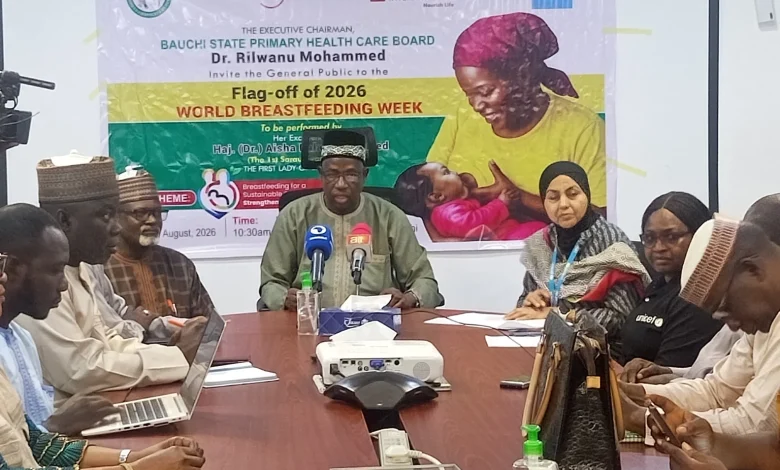
Health experts have again warned Nigerian mothers against denying their babies breast milk over the persistent misconception that breastfeeding causes breasts to sag. The warning came on Monday during the flag-off of the 2026 World Breastfeeding Week in Bauchi.
Dr Rilwanu Mohammed, Executive Chairman of the Bauchi State Primary Health Care Development Board, expressed concern that some mothers deliberately withhold breast milk because they believe it makes them look older. He stated clearly that breast sagging occurs naturally with age, whether a woman breastfeeds or not. Denying children exclusive breastfeeding, he noted, exposes them to malnutrition and preventable childhood illnesses.
Dr Nuzhat Rafique, Chief of the United Nations Children’s Fund (UNICEF) Bauchi Field Office, described breastfeeding as a proven, life-saving practice. This year’s theme, “Breastfeeding for a Sustainable Start in Life: Strengthen What Works,” calls for building on interventions that already improve child nutrition.
Rafique praised the Bauchi State Government for approving six months of paid maternity leave and for allocating N500 million as counterpart funding for the Child Nutrition Fund. Yet she also highlighted a troubling gap. While more than nine in ten mothers in Bauchi breastfeed their children, optimal practices remain low. Only 12 per cent of newborns are breastfed within the first hour of birth, and just 26 per cent are exclusively breastfed for the first six months.
She stressed that babies should receive colostrum immediately after birth without water, honey or local drinks, practices that introduce germs and raise the risk of diarrhoea and other infections. Poor breastfeeding habits feed a cycle of illness and malnutrition that weakens children and increases the chance of death.
The low exclusive breastfeeding rate despite high initiation points to deeper structural problems. Policy announcements such as extended maternity leave and nutrition funding are positive, but they have not yet translated into widespread optimal practice. Cultural myths continue to circulate because public education and workplace support systems remain incomplete.
Mothers carry responsibility for rejecting unfounded fears. At the same time, fathers, families, employers and government institutions must create the conditions that make exclusive breastfeeding realistic. Without stronger communication and practical support, including the full implementation of maternity leave and workplace crèches, too many infants will continue to miss the protection that breast milk provides.
The release of these policy measures is welcome. The real test is whether they close the gap between intention and the daily reality faced by mothers and their children.