Faizu Alfindiki questions northern political unity after Obi-Kwankwaso alliance


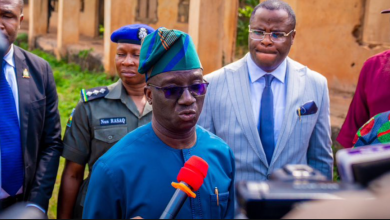
A prominent chieftain of the All Progressives Congress, Faizu Alfindiki, has voiced strong concerns regarding the political relationship between Rabiu Musa Kwankwaso and Peter Obi. Speaking to journalists in Kano on Monday, the party stalwart noted that many people in the North find the closeness between the two figures surprising.
Alfindiki questioned the political direction of the former Kano State governor, suggesting that his priorities might be misplaced. He argued that the current climate requires Northern leaders to consolidate their efforts rather than seeking external alignments that may not serve regional interests.
Concerns over regional interests and representation
The APC chieftain stressed that the North needs a unified voice to effectively protect its interests at the national level. He observed that Kwankwaso appears more interested in building bridges with Obi’s political camp than fostering unity among his own peers in the region.
Alfindiki also extended his criticism to Peter Obi, the former presidential candidate of the Labour Party. He claimed that Obi has not shown sufficient concern for the peculiar challenges facing the Northern region, such as insecurity and agricultural stagnation.
Allegations of personal ambition over collective goals
According to Alfindiki, the choices made by political leaders often reflect whether they prioritize personal ambition over the collective welfare of their people. He warned that the current alliances being formed could give the wrong impression to the Northern electorate who expect total commitment.
The former chairman of Kano Municipal Council insisted that leaders must be judged by their stance on critical national issues. He called for a shift toward alliances that promote genuine national unity instead of those that appear to deepen existing political divisions.
Support for the current administration continues
Despite his critiques of the opposition, Alfindiki expressed strong confidence in the administration of President Bola Ahmed Tinubu. He pointed to ongoing infrastructure projects and advancements in agriculture as clear evidence of the government’s commitment to developing the entire country.
He concluded that these developmental efforts justify continued support for the President as the nation looks toward future elections. For Alfindiki, the focus should remain on tangible progress rather than the perceived political maneuvering of opposition figures seeking to regain relevance.